Fotona Laser Treatments Encino, CA: What to Expect at Your Visit
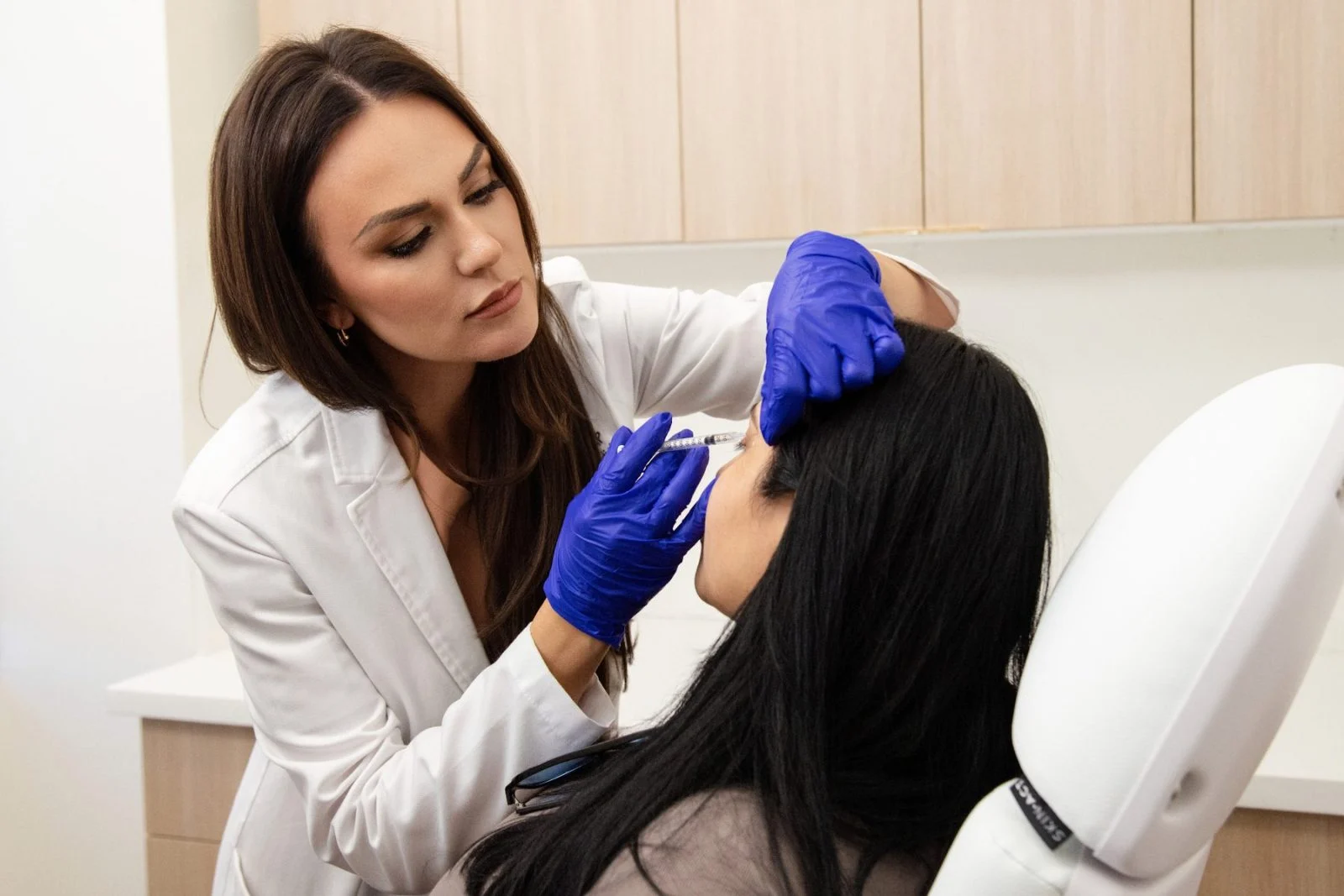
If you are considering Fotona laser treatments in Encino, CA, the first question is usually not whether the technology sounds impressive. It is much more practical than that. People want to know what the visit actually feels like, how much downtime they should plan for, whether treatment will hurt, and whether the result will justify the time and expense.
That is the right way to approach it. Laser treatments are not one-size-fits-all, and Fotona platforms are used for several different concerns, from skin texture and pigmentation to acne scarring, fine lines, skin tightening, and certain noninvasive rejuvenation treatments. The details of your visit depend on the setting chosen by your provider, your skin type, your treatment history, and the goal you are trying to reach. A patient coming in for mild textural improvement before an event will have a very different experience from someone treating deeper acne scars or more pronounced photodamage.
Even so, there are some patterns I see repeatedly in well-run laser practices. A strong visit is thoughtful from the start. It does not rush through consultation, it does not promise unrealistic timelines, and it does not treat every face the same way. If you know what a careful appointment looks like, you are much more likely to choose the right provider and feel prepared when you walk in.
Why patients in Encino often look at Fotona first
Encino has no shortage of people who care about looking rested without looking altered. That matters because many patients are not asking for dramatic change. They want smoother skin, softer lines around the mouth or eyes, less visible sun damage, or firmer texture along the jawline. They still want to look like themselves at school pickup, in meetings, or at dinner the same night, depending on the treatment.
Fotona systems appeal to that kind of patient because they can be adjusted for different intensities and goals. Some sessions are relatively light, with redness that settles quickly. Others are more aggressive and come with several days of visible recovery. That flexibility is one of the strengths of the platform, but it is also why consultation matters so much. Saying you want “Fotona” is only the start. The real question is which treatment mode, what depth, what energy settings, and in what series.
Patients searching for Fotona Laser Treatments Encino, CA are often comparing them against microneedling, IPL, fractional resurfacing, radiofrequency procedures, or injectables. A good provider will explain where Fotona fits and where it does not. Sometimes it is the ideal tool. Sometimes another modality is more efficient for the problem at hand. Brown spots from sun damage, for example, may respond differently than rolling acne scars or laxity in the lower face. That distinction should shape your plan.
Your first appointment usually starts with a more detailed conversation than people expect
Many patients imagine the laser consultation will be a quick look at the skin, followed by a recommendation and a quote. In a reputable practice, it tends to be more nuanced.
Expect your provider to ask about your medical history, prior procedures, medications, history of cold sores, whether you have used isotretinoin in the past, how easily you pigment, how much sun exposure you get, and whether you have an upcoming event. Those details are not administrative filler. They directly affect safety and planning.
Skin type matters. So does timing. I have seen excellent candidates delay treatment simply because they had too much recent sun exposure or because they had a wedding in five days and expected to look camera-ready immediately. Neither is ideal. Laser skin treatments work best when the provider has room to be conservative and strategic rather than trying to squeeze treatment into a bad window.
Photos are often taken at this stage. Some patients dislike this, but it is one of the most useful parts of the process. Changes from laser rejuvenation can be gradual. When people look at themselves every day, they often miss improvements in texture, pore appearance, and overall skin quality. Standardized photos give both patient and provider a baseline.
A careful consultation also separates what bothers you from Fotona Laser Treatments Encino, CA what can realistically be improved. If someone points to heaviness in the lower face caused mostly by deeper tissue laxity, a laser may help skin quality but not replace a surgical lift. If someone wants total erasure of etched lines around the mouth, the provider should explain that softening is more realistic than complete removal. These are the kinds of conversations that prevent disappointment later.
What conditions Fotona is commonly used for
Fotona is not a single treatment in the way many people assume. It is a laser platform with different applications. In facial aesthetics, it is often used for concerns like uneven texture, enlarged pores, mild to moderate laxity, early wrinkles, acne scars, and certain signs of sun damage. Some protocols also treat inside the mouth to stimulate collagen and support tightening around the perioral area. Patients are often surprised to hear that not every beneficial pass is done on the skin surface.
The practical takeaway is simple. The Fotona Laser Treatments Encino, CA phrase “I had Fotona done” does not tell you much unless you also know the indication and intensity. One patient may leave a lunchtime appointment mildly pink for the afternoon. Another may have a resurfacing session that requires several days of social downtime. Both can be legitimate uses of the same overall platform.
This is one reason online before-and-after comparisons can be misleading. You may be looking at a result from a series of treatments, a more aggressive protocol than you want, or a patient who also had other procedures mixed in over time. During your visit, ask what kind of result comes from one session and what usually requires a series. Most providers would rather be candid early than repair expectations later.
How to prepare before you come in
Preparation tends to be straightforward, but the details matter. Your office may give you specific instructions based on the exact protocol. In general, they will want your skin calm, intact, and out of the sun.
Recent tanning, sunburn, active irritation, and certain topical products can all complicate treatment. Retinoids, exfoliating acids, benzoyl peroxide, and other strong actives are often paused before laser sessions, depending on your skin and the treatment depth. If you are prone to cold sores and the treatment area includes or approaches the lips, your provider may prescribe antiviral prophylaxis.
A good office will also ask whether you have had recent filler, neurotoxin, peels, or other energy-based treatments. It does not necessarily mean you cannot proceed, but sequencing matters. Skin is easier to treat safely when the plan is coordinated rather than layered randomly.
One thing patients often overlook is hair removal. If there is coarse hair in the treatment field, your provider may have instructions about shaving beforehand. Do not wax or use methods that significantly irritate the skin unless the office specifically tells you otherwise.
What the office visit feels like from check-in to treatment room
The rhythm of the appointment is usually calmer than first-timers expect. After check-in, you may review consent forms, confirm medications and allergies, and sometimes revisit pre-treatment photos. If numbing cream is part of the plan, that can add waiting time. Some lighter treatments need little or no numbing, while more intense resurfacing often benefits from it.
When you move into the treatment room, the staff will clean the skin thoroughly. Eye protection is standard. If your provider is methodical, they may mark certain areas or talk you through exactly what they are treating first. This tends to reassure patients because lasers can sound more intimidating than they actually feel.
The machine itself may make clicking or snapping sounds. There may be a cooling component, a smell of heated skin or singed vellus hair, and intervals where your provider changes settings or handpieces. None of that is unusual. Good laser appointments are precise. They are not rushed, and they are not silent in the sense that the provider should be communicating as they go.
Does Fotona hurt?
The honest answer is that comfort varies widely by treatment type and by person. A light, nonablative pass may feel warm and prickly, with short moments that resemble a rubber-band snap. More aggressive resurfacing can be significantly more intense, even with topical numbing. Most patients tolerate it, but there is no value in pretending every session is easy.
Pain perception also changes by area. Around the mouth and on thinner skin, people often feel more. The forehead can be easier for some and surprisingly sharp for others. Men with denser facial hair sometimes notice extra heat because hair absorbs energy. Someone treating old acne scars in the cheeks may tolerate the session well but feel tender later that day.
What matters is whether the office has a realistic comfort strategy. That may include topical anesthetic, cooling, pacing the session, and choosing settings appropriate for your goals and tolerance. A provider who dismisses discomfort tends to dismiss other details too. A provider who says, “This part usually stings more, take a breath, we’re almost through this pass,” is usually the one paying close attention.
What your skin may look like right after treatment
Immediately after treatment, most patients are red. The degree depends on intensity, skin reactivity, and the protocol used. Mild swelling, especially under the eyes or around the mouth, is common. Some treatments create a bronzed or grid-like appearance for a few days as the skin turns over. More intensive sessions may leave skin looking raw, flushed, or rough before healing begins.
This is the point when expectations save a lot of anxiety. Patients who were told only about the upside sometimes panic when they see themselves an hour later. Patients who were told, “You’ll probably be quite pink tonight, possibly puffy tomorrow morning, then rough and dry for a few days,” usually do well because the course matches the forecast.
Post-treatment products are often simple, intentionally so. Think gentle cleanser, bland moisturizer, and strict sun protection. You may be told to avoid active ingredients for several days, sometimes longer. Makeup timing varies. For some lighter treatments it may be allowed fairly soon. For more aggressive resurfacing, it is often delayed until the skin barrier has recovered.
Downtime is where the real trade-off shows up
This is the part many marketing pages blur, but it is the most practical part of the decision. In laser medicine, stronger treatments often mean more visible downtime and a longer recovery window, but they may also produce more dramatic change per session. Lighter treatments can be easier to fit into a schedule, but usually ask for patience and multiple appointments.
That trade-off is not bad. It simply needs to be stated clearly. A parent with a packed week and public-facing job may choose a gentler series because they cannot disappear for five to seven days. Another patient may prefer one more assertive resurfacing treatment while working remotely. Both are reasonable choices.
In my experience, the patients happiest with Fotona are not necessarily the ones who pick the strongest protocol. They are the ones whose treatment intensity matches their tolerance for recovery, their budget, and their actual goal. If you want brighter, smoother skin and a modest tightening effect, you do not always need the most aggressive option on the menu.
When you start seeing results
Some changes show up quickly. Skin can look fresher once the initial redness resolves and the surface roughness sheds. A subtle glow or smoother makeup application may appear within days to a couple of weeks, depending on the treatment. Collagen-related changes are slower. Tightening and textural improvement often build over several weeks and can continue evolving for a few months.
This delayed timeline catches some people off guard. They judge the treatment too early, especially if they expected an injectable-style instant result. Laser remodeling is quieter than that. It tends to reward patience.
Your provider should also tell you whether your concern usually improves best in a series. Acne scarring, for example, often requires multiple sessions and may still improve in increments rather than all at once. Fine lines and generalized rejuvenation can also build cumulatively. If someone promises complete correction in a single visit for a long-standing textural issue, be skeptical.
What can influence your outcome more than the laser itself
The machine matters, but the operator matters more. Two practices can own the same platform and deliver very different results. Settings, patient selection, skin prep, treatment density, overlap technique, and aftercare guidance all affect both safety and efficacy.
That is why the consultation should feel specific. If a provider cannot explain why they chose a given protocol for your skin, that is a problem. If they can explain, in plain language, that they are balancing texture improvement against downtime and post-inflammatory pigmentation risk, you are more likely in capable hands.
A few factors consistently shape outcome:
- Your skin type and tendency to pigment.
- The severity of the issue being treated.
- Whether the protocol is conservative, moderate, or aggressive.
- How well you follow aftercare and sun avoidance.
- Whether you complete the recommended series.
These are not small details. A patient with excellent aftercare and realistic goals often gets a better overall experience than someone chasing maximal results while ignoring recovery instructions.
Questions worth asking before you book
You do not need to sound highly technical to get useful answers. Ask practical questions. What specific concern is being treated? What should I look like the next day? How many days until I can comfortably be seen in public? Is this a one-time treatment or part of a series? What risks are most relevant for my skin tone? What can this treatment improve, and what will it not fix?
The best answers are usually balanced, not salesy. If every answer sounds effortless, flawless, and immediate, that is a red flag. Real treatment plans include compromises. They should also include contingency planning. If you have a history of melasma, sensitive skin, or prior hyperpigmentation, your provider should talk through that frankly.
It is also reasonable to ask who performs the treatment and how often they perform this specific protocol. Not laser in general, this protocol. Experience is not interchangeable across every device and indication.
The small details that make recovery easier
Most patients focus on treatment day and forget the next seventy-two hours. That is when practical planning helps. Sleep with your head slightly elevated if swelling tends to bother you. Keep your schedule light if you are doing a more intensive session. Avoid heat exposure, intense workouts, and anything that leaves the skin flushed if your office advises against it. Have a simple, fragrance-free moisturizer ready before you come home.
A few common-sense habits make a real difference:
- Use only the products your provider approves until the skin settles.
- Do not pick, scrub, or exfoliate peeling skin.
- Protect treated skin carefully from sun exposure.
- Call the office if you see worsening pain, spreading redness, or anything that seems off.
Most recoveries are uneventful. Still, good outcomes often come from boring discipline rather than dramatic interventions. People get into trouble when they restart strong skincare too soon, assume they can “help” flaking skin shed faster, or treat a fresh laser session like ordinary skin.
Who tends to be a good candidate, and who should pause
Good candidates are usually patients with a clear target concern, realistic expectations, and enough flexibility to handle the expected downtime. They also tend to be willing to protect their results with sun care and, when recommended, maintenance treatments.
The people who should slow down are those with very recent tanning, active infections, significant skin irritation, or major upcoming events that make visible recovery unacceptable. Some patients also need a broader plan before jumping to laser. If chronic redness, melasma, or inflammatory acne is active, those conditions may need better control first.
This is where a local consultation is especially helpful. Encino patients often live in a climate where incidental sun exposure is hard to avoid. Even a short dog walk or running errands can matter after treatment. A provider familiar with that lifestyle tends to give more realistic post-care advice than one working from a generic script.
A realistic expectation for your visit
For most people, a well-managed Fotona appointment in Encino feels less mysterious after the first session. You come in, review the plan, protect the eyes, treat the skin carefully, leave pink or flushed to some degree, and spend the next several days following simple instructions while your skin does what skin does, heal, remodel, and gradually show the result.
The real value is not in dramatic treatment-day theater. It is in thoughtful planning, correct settings, and honest guidance about recovery and outcome. If you are exploring Fotona Laser Treatments Encino, CA, look for a provider who treats the consultation as seriously as the laser itself. That is usually where the best results begin.
OMNIA Wellness Center
Address: 16430 Ventura Blvd Ste 207, Encino, CA 91436
Phone number: +18183868511
FAQ About Fotona Laser Treatments Encino, CA
What is a Fotona laser good for?
A Fotona Laser system is a versatile, dual-wavelength medical laser used primarily for non-surgical skin tightening, anti-aging rejuvenation, and dermatological treatments.
How much does the Fotona laser cost?
The cost of a Fotona laser depends heavily on whether you are looking to purchase a laser machine for a medical practice or are a patient seeking a laser treatment at a medspa.
Is a Fotona laser worth it?
A Fotona laser treatment is generally worth it if you want non-surgical skin tightening, improved texture, and collagen stimulation with very little downtime.