Fotona Laser Treatments in Encino, CA for Natural-Looking Results
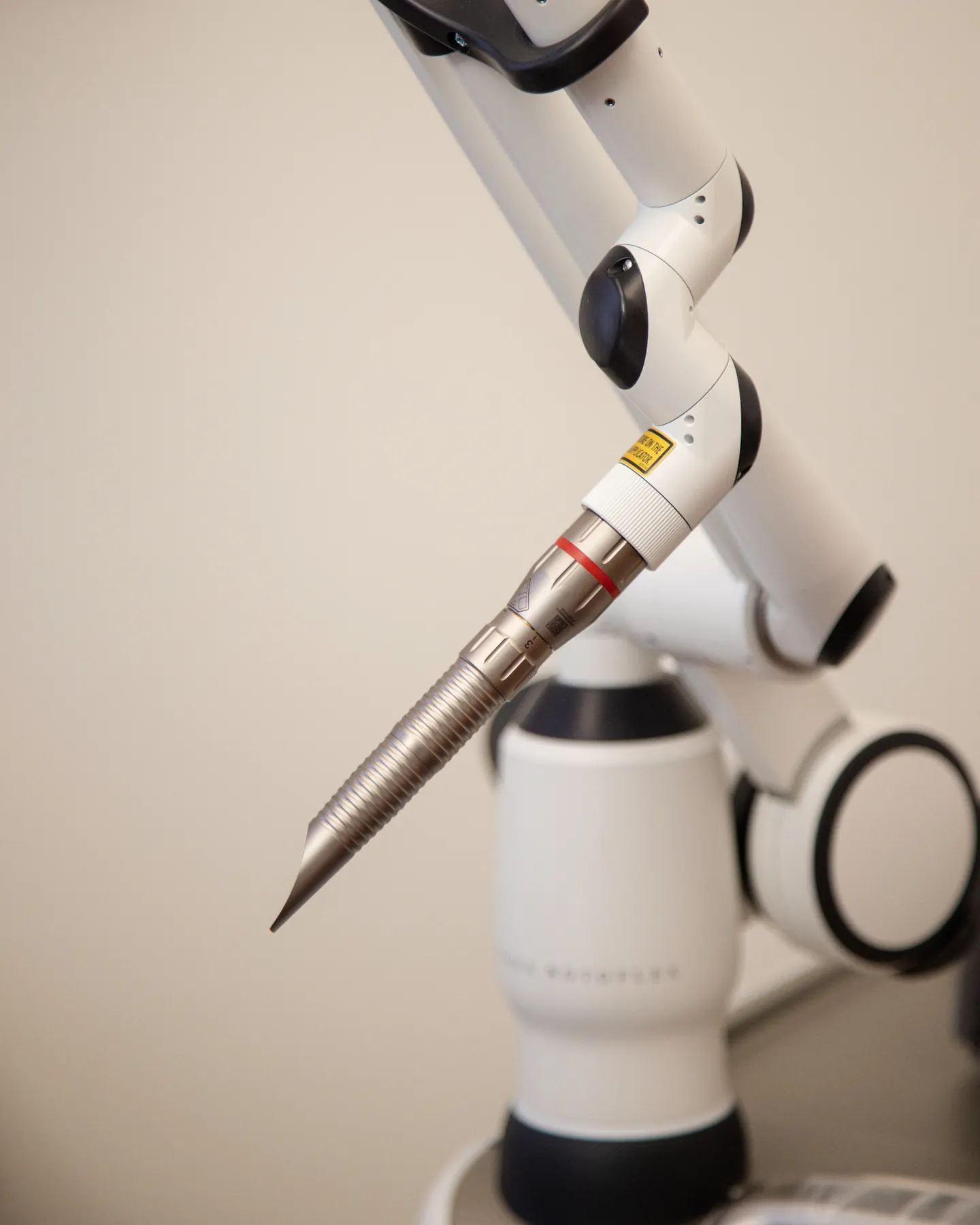
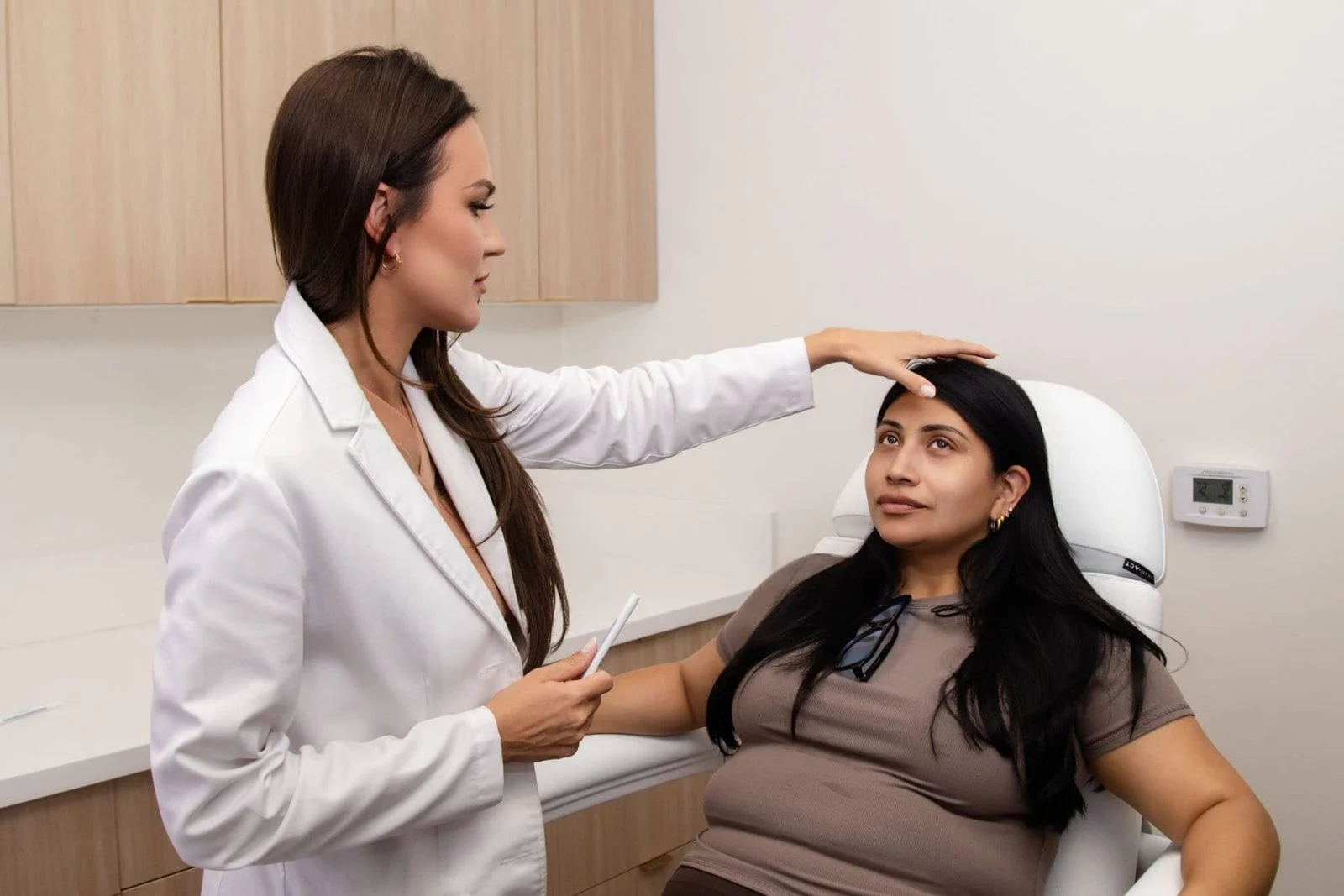
People rarely ask for a laser treatment because they want to look like someone else. Most want the opposite. They want to look like themselves, just a little more rested, a little smoother, a little brighter. That is where Fotona has earned its place in modern aesthetic care. When used well, it is not a flashy treatment. It is a controlled, customizable laser platform that can improve texture, tone, fine lines, laxity, acne scarring, vascular concerns, and even certain intimate wellness issues without creating that overdone look patients worry about.
In a place like Encino, where patients often value polished but believable results, that matters. Many are balancing work, family, public-facing careers, and active social lives. They do not want a long recovery, and they usually do not want anyone asking what they had done. They want friends to say they look refreshed, not altered. Fotona laser treatments fit that goal well when treatment settings, timing, and expectations are handled with care.
What makes Fotona different
Fotona is not one single treatment. It is a laser platform that uses different wavelengths and treatment modes to address different concerns. In practice, that flexibility is what makes it so useful. One patient may need gentle resurfacing for crepey texture around the eyes. Another may need a deeper approach for acne scars. Someone else may want collagen stimulation with minimal visible downtime before a major event. A good provider can combine treatment modes in a way that matches the skin, the concern, and the recovery window.
The two most recognized wavelengths in the Fotona system are Er:YAG and Nd:YAG. Patients do not need to memorize the physics, but it helps to understand the broad distinction. Er:YAG is often used for resurfacing and more superficial skin correction because it targets water in the skin very effectively. Nd:YAG penetrates differently and is often used for deeper heating, collagen stimulation, vascular issues, and skin tightening. That combination opens the door to treatments that can be ablative, non-ablative, or somewhere in between.
That distinction matters because natural-looking results usually come from matching intensity to the real problem. If a patient has mild textural change and early fine lines, an aggressive fully ablative treatment may be more than necessary. If someone has etched-in acne scarring, a very light treatment may not move the needle enough. Good results are rarely about choosing the strongest option. They are about choosing the right one.
Why natural-looking outcomes depend on the treatment plan, not just the machine
A common misconception in aesthetics is that the device determines the outcome. It does not. The platform matters, certainly, but the treatment plan matters more. The provider has to evaluate skin quality, degree of photodamage, pigmentation tendencies, history of melasma, current medications, previous procedures, and how much downtime the patient can realistically manage. The same laser can produce elegant, subtle rejuvenation or a disappointing result depending on how those variables are handled.
In Encino, many patients have a mix of concerns rather than one isolated issue. They may have mild sun damage from years of Southern California exposure, some early laxity at the jawline, and a few broken capillaries around the nose. In those cases, the most natural result often comes from a phased approach. Instead of trying to erase everything in one session, the provider may stage treatment over several visits. Skin looks better gradually, collagen has time to build, and the face keeps its familiar character.
That approach is less dramatic on day one, but often better six months later. The skin settles more gracefully, and people around the patient register improvement without spotting a sudden shift. That is often the sweet spot.
Concerns Fotona can address well
Fotona is versatile, but versatility should not be confused with universality. It is excellent for some concerns and less ideal for others. In experienced hands, it can help with dullness, enlarged pores, mild to moderate fine lines, acne scars, textural irregularity, diffuse redness, skin laxity in select areas, and certain vascular lesions. Some protocols also target the delicate skin around the mouth and eyes, where patients tend to notice early aging first.
One of the strongest uses of Fotona is collagen remodeling. That phrase gets repeated often in aesthetics, sometimes too casually, but with Fotona it is a meaningful benefit. Controlled laser energy heats tissue in a way that can trigger a wound-healing response and new collagen formation over time. Patients who are expecting a dramatic overnight transformation may be disappointed, but those who understand that skin can continue improving over several weeks to months tend to be pleased. The change is often cumulative and believable.
For acne scarring, the conversation requires more nuance. Laser resurfacing can improve the appearance of many scars, especially shallower boxcar Fotona Laser Treatments Encino, CA scars and generalized textural change, but deep icepick scars or heavily tethered scars may need a combination strategy. That can include subcision, microneedling, chemical peels, injectables, or surgical scar revision depending on the pattern. A trustworthy provider says that upfront.
The appeal of Fotona Laser Treatments Encino, CA patients often ask about
Patients searching for Fotona Laser Treatments Encino, CA are usually not just asking for a brand name. They are looking for a specific style of rejuvenation. They want visible improvement without the stiffness that can come from overcorrection or the social downtime that can come from more aggressive resurfacing done at the wrong moment.
That is especially true for people in their late thirties through sixties who still feel broadly like themselves but notice that the skin no longer reflects how energetic they feel. Makeup sits differently. The area around the mouth starts to crease. The lower face loses a little snap. The eyes look tired by late afternoon. Fotona can be a strong option in that in-between stage, where skincare alone is no longer enough, but surgery feels premature or unnecessary.
Another practical advantage is how customizable these treatments can be across seasons and schedules. Someone preparing for a reunion, professional headshots, a wedding, or a return to on-camera work may choose a gentler series with limited downtime. Another patient may choose a more assertive session during a quieter work period. That flexibility is useful in real life.
What treatment actually feels like
Patients often arrive more nervous about discomfort than about results. Most describe Fotona treatments as manageable, though the sensation varies with the treatment depth and the area being treated. Non-ablative or tightening-focused treatments usually feel warm with brief snapping sensations. More intensive resurfacing can feel pricklier or hotter, and numbing measures may be used depending on the protocol.
The immediate post-treatment appearance also depends on the settings. Some patients leave a little pink, as if they had been in the sun. Others may have more obvious redness, swelling, or a rough sandpapery texture for several days. With stronger resurfacing, there can be bronzing, flaking, or pinpoint crusting as the skin renews itself. This is normal when properly managed, but it is one reason treatment timing matters. A patient who has an important event in three days should not be booked casually for a stronger resurfacing session.
One of the most useful parts of consultation is simply aligning the treatment with the calendar. When that step is rushed, satisfaction drops. Not because the laser failed, but because the patient needed a lighter treatment than the one they received, or they expected to look camera-ready sooner than was realistic.
The patients who tend to do best
The best candidates are not defined only by age. They are defined by skin goals, healing capacity, and expectations. Patients tend to be happiest when they understand that laser rejuvenation improves skin quality rather than changing facial structure. If someone is expecting a laser to lift significant jowling or replace a surgical procedure, that expectation has to be recalibrated.
The following profiles often respond well to thoughtfully selected Fotona treatment plans:
- Patients with early to moderate signs of aging who want refinement rather than obvious change
- People bothered by uneven texture, enlarged pores, or mild acne scarring
- Patients seeking collagen stimulation with less downtime than more aggressive resurfacing can require
- Individuals with realistic expectations and a willingness to complete a series if needed
- People committed to sun protection and maintenance afterward
Skin tone also matters. Laser settings should always be adjusted carefully for patients with more pigment-rich skin because the risk of post-inflammatory hyperpigmentation can be higher with certain resurfacing approaches. That does not mean treatment is off the table. It means the plan has to be more deliberate, sometimes more conservative, and often paired with pre-treatment skincare to reduce risk.
Why the consultation matters more than people think
A rushed consultation usually produces rushed outcomes. The provider should ask about retinoid use, isotretinoin history, cold sores, active acne, melasma, autoimmune conditions, pregnancy status when relevant, photosensitizing medications, prior peels or laser work, recent sun exposure, and any history of abnormal scarring. These details are not paperwork trivia. They directly affect safety and results.
I have seen patients fixate on one issue, usually the line they notice most in the mirror, while the actual driver of an aged appearance is broader texture loss or dullness. Once the skin quality improves globally, the feature bothering them often softens more than they expected. I have also seen the reverse, where a patient wants general rejuvenation but is really dealing with a few deeper etched lines that may need a more targeted strategy. Good aesthetic judgment means treating the face that is there, not the treatment trend of the month.
Photography is another underappreciated part of the process. Before images matter because subtle results can be easy to forget. Patients often acclimate to improvement quickly. Comparing carefully taken baseline photos with images taken two or three months later can make the progress much clearer.
Popular Fotona treatment styles
Fotona has become known for a few signature approaches, though naming varies by practice. Some protocols focus on tightening, some on resurfacing, and some combine multiple modes in one session. A commonly discussed approach is a layered treatment that addresses the skin from different depths, sometimes including intraoral tightening along the mouth area combined with external rejuvenation. For the right patient, that can improve perioral lines and create a firmer appearance without adding volume.
This is one reason Fotona has such a loyal following among patients who do not want filler everywhere. Fillers have a place, but they are not the answer to every cosmetic concern. When the issue is textural aging, crepey skin, or fine wrinkling, Fotona Laser Treatments Encino, CA improving the skin itself often looks more elegant than simply trying to camouflage the problem with volume.
For under-eye concerns, careful treatment selection is critical. This area can respond beautifully to collagen stimulation, but it is also unforgiving. Over-treatment can create prolonged swelling or irritation, while under-treatment may do too little. The best work in this region is restrained.
Downtime, healing, and the real recovery timeline
The word downtime means different things to different patients. For some, downtime means they can work from home on video with tinted sunscreen. For others, downtime means they have to be fully presentable in person with no visible peeling. That distinction should be clarified early.
A lighter treatment may involve redness for a day or two and a dry, rough feel for several more. A more moderate resurfacing treatment may bring a week of pinkness and visible exfoliation. More aggressive sessions can take longer to settle, especially if a patient is prone to redness. The skin often looks better once the initial flaking resolves, but collagen remodeling continues beyond that point. This is why final results are not judged too soon.
Most providers will give aftercare instructions, but the essentials tend to be consistent:
- Keep the skin gently moisturized and avoid picking or scrubbing
- Use strict sun protection, including hats and broad-spectrum sunscreen
- Pause irritating active products until the skin barrier recovers
- Follow any antiviral or skincare instructions if prescribed
- Report unusual swelling, blistering, or prolonged irritation promptly
That last point matters. Normal healing has a range, but it should still be monitored. Good practices do not disappear after the laser session ends. They stay involved through recovery.
How many sessions are usually needed
This depends entirely on the concern. Brightening and mild texture refinement may improve after one session, though a series often gives a better result. Acne scars and collagen remodeling usually require patience. It is common for a provider to recommend several treatments spaced weeks apart, then reassess. For maintenance, many patients return periodically once or twice a year depending on their skin goals and sun exposure.
This is an area where honest counseling matters. If a patient has decades of photodamage, marked acne scarring, and active sun habits, one treatment is not likely to create a polished magazine-skin effect. It can absolutely produce meaningful improvement, but improvement should be defined realistically. Texture may soften. Pigment may look more even. Pores may appear reduced. Fine lines may blur. That is different from total erasure, and most thoughtful patients appreciate the distinction.
Combining Fotona with other treatments
One reason experienced aesthetic practices like Fotona is how well it can fit into a broader plan. Skin does not age in one dimension. Volume changes, muscle movement, pigment, vascular changes, and laxity all play a role. For some patients, laser alone is enough. For others, the most natural result comes from combining modalities conservatively.
A patient with excellent facial structure but rough, sun-damaged skin may only need laser and skincare. Another with skin laxity, dynamic expression lines, and uneven tone might benefit from laser plus neuromodulators, or laser plus a carefully placed biostimulator. Someone with stubborn melasma may need a more cautious strategy that emphasizes pigment control first, because aggressive heat can worsen the condition in the wrong setting. Nuance matters here. More treatment is not always better treatment.
The smartest plans usually build in sequence. Skin quality is addressed first, then volume or movement if needed, then maintenance. When everything is done at once, it can become hard to judge what helped and what was too much.
Cost, value, and what patients are really paying for
Pricing for Fotona varies by treatment area, protocol, provider expertise, and regional market. Patients should expect a difference between a brief add-on laser pass and a carefully designed resurfacing or tightening session performed by a skilled clinician. The lower price is not always the better value if the treatment is too weak to help, and the higher price is not justified if the consultation, customization, and follow-up are poor.
What patients are really paying for is judgment. The machine matters, but so does the ability to select settings safely, identify when not to treat, manage risk in darker skin types, recognize whether a concern is structural or superficial, and build a realistic schedule around healing. A natural result is not an accident. It is the product of experience.
Choosing a provider in Encino
If you are exploring Fotona Laser Treatments Encino, CA, the most useful question is not simply whether a practice owns the device. Ask how often they use it, what concerns they treat most often with it, what kind of downtime their recommended protocol involves, and how they adjust plans for skin type and lifestyle. Ask to see before-and-after photographs taken in consistent lighting. Ask what happens if you are prone to post-treatment pigmentation or prolonged redness. Ask who will actually perform the procedure.
A polished website can be reassuring, but it does not replace a thoughtful conversation. The right provider does not oversell, does not promise perfection, and does not push the strongest treatment if your goals do not require it. They listen for clues about your tolerance for downtime, your aesthetic preferences, and what you mean when you say natural.
That last word deserves respect. For one patient, natural means no one notices anything except better skin. For another, it means visible improvement that still preserves freckles, expression, and facial character. A skilled provider learns the difference.
The quiet strength of subtle improvement
Some cosmetic results announce themselves immediately. Fotona rarely belongs in that category, and that is part of its appeal. The improvement tends to build rather than shout. Skin reflects light a little better. Makeup sits more evenly. Fine wrinkling softens. The lower face may feel a touch firmer. You still look like yourself in old family photos, just better aligned with how you feel now.
In aesthetic medicine, restraint is often more sophisticated than excess. Natural-looking work is harder to do because it requires patience, planning, and a willingness to improve rather than overpower. For many patients in Encino, that balance is exactly the point. Fotona can be a very effective tool for getting there, provided the treatment is chosen carefully, performed skillfully, and supported with honest expectations from the start.
OMNIA Wellness Center
Address: 16430 Ventura Blvd Ste 207, Encino, CA 91436
Phone number: +18183868511
FAQ About Fotona Laser Treatments Encino, CA
What is a Fotona laser good for?
A Fotona Laser system is a versatile, dual-wavelength medical laser used primarily for non-surgical skin tightening, anti-aging rejuvenation, and dermatological treatments.
How much does the Fotona laser cost?
The cost of a Fotona laser depends heavily on whether you are looking to purchase a laser machine for a medical practice or are a patient seeking a laser treatment at a medspa.
Is a Fotona laser worth it?
A Fotona laser treatment is generally worth it if you want non-surgical skin tightening, improved texture, and collagen stimulation with very little downtime.