Fotona Laser Treatments in Encino, CA: The Benefits of Personalized Treatment Plans
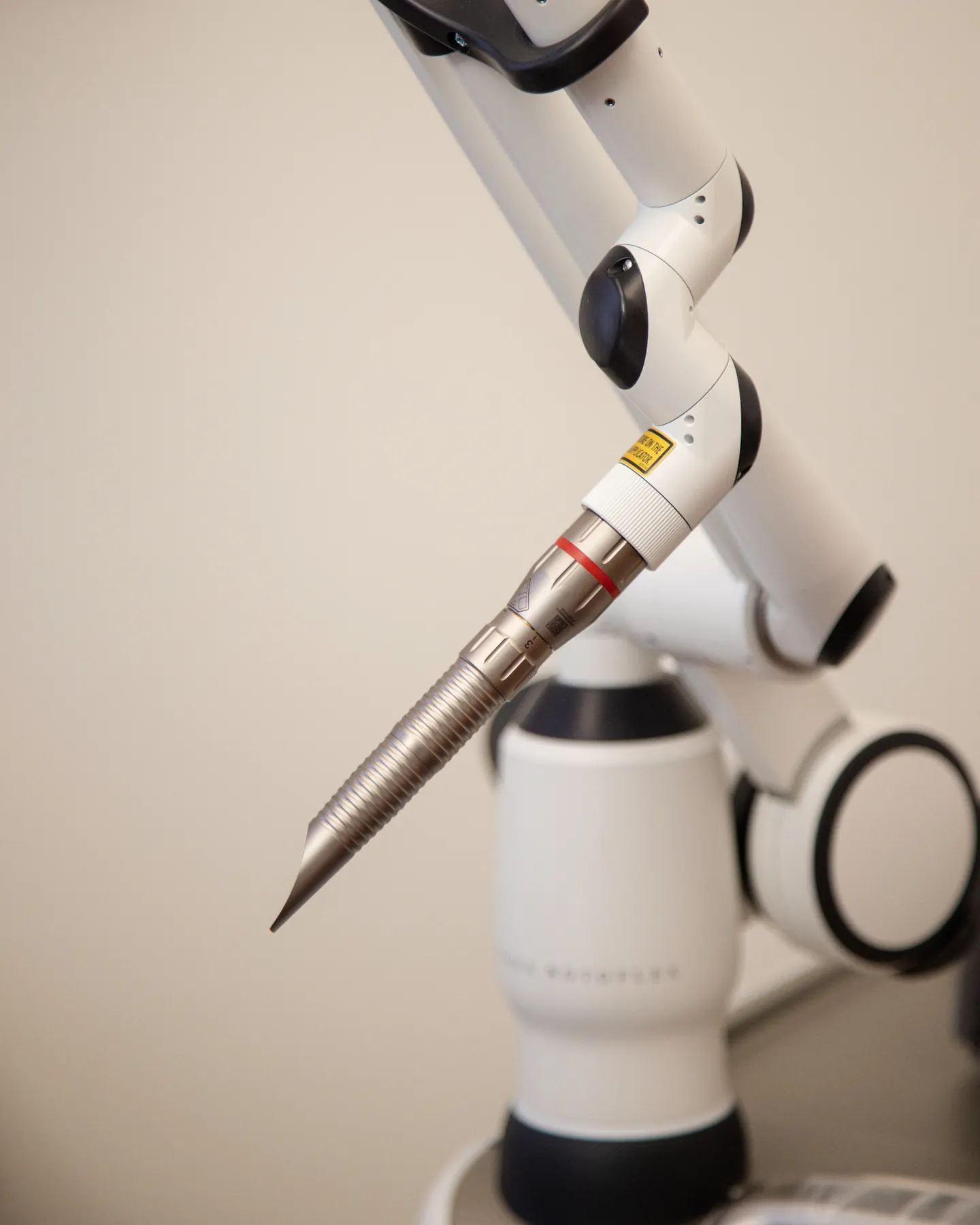
Laser treatments have a reputation for being precise, but precision in the device does not automatically mean precision in the plan. That distinction matters. In aesthetic medicine, some of the best outcomes come not from using the most powerful setting or the newest handpiece, but from matching the right protocol to the right person at the right time.
That is especially true with Fotona laser technology. Patients often arrive with a broad goal, tighter skin, a smoother texture, less redness, fewer acne scars, better vaginal wellness support, or a refreshed look around the eyes and mouth. What they usually need, though, is not a one size fits all treatment. They need a plan built around their skin quality, schedule, tolerance for downtime, and the way their concerns overlap. In a place like Encino, where patients are often balancing work, social calendars, exercise routines, and a strong preference for natural looking results, personalization is not a luxury. It is the difference between a good result and a result that truly fits the person living with it.
Why Fotona treatment planning deserves more attention
Fotona is not a single treatment in the way many people think of a facial or peel. It is a platform that can be adapted for multiple concerns using different wavelengths, pulse durations, treatment depths, and delivery modes. That flexibility is one of its strengths, but it also means the consultation carries real weight.
A patient may come in asking for skin tightening because they notice early laxity around the jawline. During evaluation, it often becomes clear that texture, mild sun damage, and volume changes are part of the picture too. Another patient may think they need aggressive resurfacing for acne scars, but their skin type, recent sun exposure, or history of post inflammatory hyperpigmentation may point toward a staged approach instead. Same machine, different strategy.
That is why the best outcomes with Fotona Laser Treatments Encino, CA patients seek usually start with a thorough conversation rather than a menu of preset packages. A personalized plan accounts for both the visible issue and the context around it. It also helps set realistic expectations early, which is one of the most overlooked parts of patient satisfaction.
Encino patients rarely fit into a standard template
Aesthetic practices in Encino see a broad mix of patients. Some are in their thirties and want subtle preventive care. Others are in their fifties or sixties and want meaningful improvement without surgery. Many have spent years with active skin care regimens, injectables, facials, or prior laser treatments elsewhere. That history matters.
Southern California living adds another layer. Sun exposure is not theoretical here. Even people who are diligent about sunscreen often have cumulative UV damage from driving, outdoor exercise, tennis, hiking, or years spent near the pool. Then there is the timing issue. Patients may want treatment before a wedding, after the summer, before a work presentation, or during a season when they can tolerate a few quieter days at home. Personalized plans are practical because life is practical.
I have seen two patients with nearly identical concerns on paper, mild pigmentation, fine lines around the mouth, and generalized dullness, require very different treatment schedules. One was willing to commit to a more intensive resurfacing approach over the winter and did beautifully with a more assertive protocol. The other needed minimal downtime because she was on camera several days a week and could only tolerate mild redness for a day or two. Her plan required more sessions and a slower build, but the result suited her life. Neither plan was better in the abstract. Each was better for that person.
What a personalized Fotona plan actually considers
The phrase personalized treatment plan gets overused, so it helps to be specific. A real customization process looks at more than the chief complaint.
- Skin type, tone, and reactivity
- The primary concern and the secondary issues that affect the final result
- Medical history, medications, cold sore history, and healing patterns
- Tolerance for downtime, discomfort, and recovery restrictions
- Timeline, budget, and willingness to do maintenance
Those factors shape everything from energy settings to spacing between sessions. For example, a patient with melasma tendencies needs more caution than someone with isolated sunspots. A patient with rosacea may benefit from one sequence of treatment, while someone focused on collagen remodeling for tightening may need another. Even the order of treatments matters. Sometimes treating vascular redness first allows the skin to better tolerate later resurfacing. Sometimes collagen stimulation should come before texture work. Judgment is part of the medicine.
The same concern can require different protocols
Take acne scarring. Patients often use that phrase broadly, but scars vary widely. Ice pick scars, rolling scars, boxcar scars, lingering redness, and enlarged pores do not behave the same way. A plan that helps one pattern may disappoint in another. With Fotona, a clinician can often tailor depth and intensity to the scar type, but there are limits. Some patients benefit from combining laser sessions with subcision, microneedling, or filler placed strategically under tethered scars. A personalized plan acknowledges that laser may be central without pretending it must do everything alone.
The same applies to skin tightening. Not all laxity responds equally well. Early crepiness under the eyes, mild jawline softening, and a slight loss of snap in the lower face can respond nicely to non surgical approaches. More advanced sagging, heavier tissue descent, or a prominent neck band pattern may improve only modestly. Honest planning matters here. Patients appreciate straightforward language when it is paired with a plan that respects their goals. Sometimes the right choice is a series of treatments for maintenance and prevention. Sometimes it is a conversation about whether energy based treatment can deliver enough change to justify the time and cost.
This is one area where experienced providers stand out. They know when to push, when to layer, and when to say a patient is better served by another modality.
Combining modes can create more natural results
One of Fotona’s strengths is the ability to work at different depths and on different tissue targets without forcing every patient into a resurfacing heavy approach. That is useful for people who want improvement without looking obviously treated.
For example, a patient with perioral lines may benefit from superficial texture work, but if the treatment ignores deeper collagen support, the skin can improve without the area looking truly refreshed. Around the eyes, a clinician may focus on delicate tightening and textural improvement rather than simply increasing aggressiveness. For diffuse dullness and early aging, a sequence that stimulates collagen and refines surface irregularity can produce a result that looks healthier rather than overprocessed.
That natural effect is often what Encino patients are after. They may want compliments that sound like “you look rested” or “your skin looks great,” not “what did you have done?” Personalized treatment planning helps preserve that balance.
Downtime is part of the prescription
Patients often ask only one recovery question: how long will I be red? The better question is broader. What will recovery feel like, what can I not do, and when will I look socially presentable? Personalized plans should answer all of that.
A more intensive session may produce a stronger result per treatment, but that does not make it the right choice for everyone. Some patients can take three to five days of visible recovery and gladly do so for efficiency. Others would rather accept milder incremental change in exchange for staying active and public. There is no universal right answer.
This matters because disappointment is not always about efficacy. Sometimes the laser worked exactly as intended, but the plan failed to match the patient’s life. If someone has a major event in six days, a treatment with peeling or swelling can feel like a mistake even when technically performed well. Personalized planning means understanding calendars, travel, sun exposure, workouts, and social obligations before treatment starts.
In practice, this often changes timing more than patients expect. Delaying a session until after a beach vacation, spacing appointments around work travel, or building in a gentler first treatment to see how the skin responds can all be smart decisions. Restraint is often a sign of experience, not hesitation.
Skin tone and risk profile should shape every decision
One of the clearest benefits of personalization is safer care for a wider range of skin tones. Not every patient carries the same risk for hyperpigmentation, prolonged redness, or irritation. Past reactions matter. So does current skin condition. Barrier impairment from retinoids, over exfoliation, or unrecognized dermatitis can make even a reasonable treatment feel harsher than expected.
A careful provider looks beyond the machine. Are there active breakouts that should be controlled first? Is the patient using photosensitizing medications? Do they have a history of cold sores that requires preventive OMNIA Wellness Center Fotona Laser Treatments Encino, CA medication? Are they tan from recent sun exposure? These details are easy to overlook in a rushed consultation and expensive to ignore later.
This is also where maintenance skin care comes into the conversation. A personalized plan does not end when the laser stops. Post care, sunscreen discipline, and the timing of restarting active products can influence both healing and final outcome. If a patient is not likely to follow a strict post treatment routine, a provider may reasonably choose a more conservative protocol. Good medicine works with real human behavior.
Personalized plans often improve value, not just results
There is a common misconception that customization always means adding more. More sessions, more add ons, more expense. Often the opposite is true.
A tailored plan can prevent overtreatment, reduce unnecessary downtime, and avoid spending money on treatments that do not meaningfully fit the problem. If the dominant issue is redness rather than pigment, a pigment focused plan may waste time. If a patient’s laxity is too advanced for a non surgical treatment to satisfy them, multiple laser sessions may cost more in the long run while leaving them frustrated. Precision can be economical.
I have also seen patients get stronger value from combining strategies over time rather than insisting on maximum intensity in one visit. Think of treatment as a sequence, not a single transaction. A measured series often gives the skin time to remodel and lets the provider adjust based on how the tissue responds. That flexibility is one of the practical advantages of personalization.
Questions worth asking before starting
Patients do not need to become laser experts, but a few well chosen questions can reveal how individualized the plan really is.
- Why is this specific Fotona protocol the best fit for my skin and goals?
- What level of improvement is realistic after one session, and after a series?
- What are my main risks based on my skin tone, history, and lifestyle?
- How much downtime should I expect in practical terms, not just medically?
- If I am not a strong candidate for this alone, what combination approach would you consider?
The answers should sound specific, not rehearsed. “It depends” can be a good answer if it is followed by reasoning. You want a provider who can explain trade offs clearly. For instance, a stronger setting may give more visible improvement in texture but also carry more redness and recovery. A conservative pass may be safer before a major event but require more treatments overall. Transparent logic builds trust.
The consultation should feel like planning, not selling
One of the easiest ways to tell whether personalization is real is to pay attention to the consultation itself. A thoughtful consultation usually includes photographs, review of medical history, discussion of previous treatments, and a physical assessment in good lighting. The provider may ask about your exercise routine, upcoming travel, event schedule, tendency to pigment, history with retinoids, or how much downtime you can truly tolerate. These are not side questions. They shape the recommendation.
What should raise concern is a treatment recommendation that appears within minutes and sounds identical to what everyone else receives. Laser medicine is not fast fashion. Even popular protocols should be adjusted to the individual. If a patient has thin, reactive skin around the eyes, recent sun exposure, or unrealistic expectations for a single treatment, those points should change the plan.
Patients often feel reassured when they hear nuance. Not because nuance sounds sophisticated, but because it reflects attention. A provider who says, “We can improve this, but I would stage it over several visits because of your skin tone and your event next month,” is usually thinking more carefully than one who promises dramatic change right away.
Maintenance is where personalization keeps paying off
A personalized Fotona plan should include what happens after the initial series. Skin keeps aging. Sun exposure continues. Collagen remodeling takes time, and maintenance needs vary widely.
A younger patient using laser preventively might do well with occasional upkeep and a strong home regimen. Someone treating deeper textural changes or moderate laxity may need more regular maintenance to preserve momentum. Hormonal shifts, weight changes, stress, and medication changes can all affect the skin and alter the schedule. The right long term plan is not rigid. It evolves.
This matters because many disappointing outcomes are not true failures. They are often cases where a decent initial improvement faded because there was no maintenance strategy, no skin care support, or no reassessment as the patient’s goals changed. Personalized care means revisiting the plan rather than repeating the exact same treatment indefinitely.
The real advantage is judgment
Technology matters, but judgment matters more. Fotona offers versatility, which is valuable only when it is used with restraint, experience, and attention to detail. Personalized treatment plans turn a flexible platform into patient specific care.
For people considering Fotona Laser Treatments Encino, CA providers offer, this is the question beneath every other question: will the plan reflect my skin, my goals, my schedule, and my risk profile, or am I being fit into a standard package? The answer influences safety, comfort, downtime, value, and the final aesthetic result.
The best laser outcomes rarely come from chasing the strongest treatment. They come from choosing the appropriate treatment, then delivering it at the right pace. That is what personalization is for. It is not marketing language. It is the clinical process that makes laser treatment feel less generic and far more effective.
OMNIA Wellness Center
Address: 16430 Ventura Blvd Ste 207, Encino, CA 91436
Phone number: +18183868511
FAQ About Fotona Laser Treatments Encino, CA
What is a Fotona laser good for?
A Fotona Laser system is a versatile, dual-wavelength medical laser used primarily for non-surgical skin tightening, anti-aging rejuvenation, and dermatological treatments.
How much does the Fotona laser cost?
The cost of a Fotona laser depends heavily on whether you are looking to purchase a laser machine for a medical practice or are a patient seeking a laser treatment at a medspa.
Is a Fotona laser worth it?
A Fotona laser treatment is generally worth it if you want non-surgical skin tightening, improved texture, and collagen stimulation with very little downtime.