How Fotona 4D Laser Facial (TimeWalker) Supports Smoother, Firmer Skin
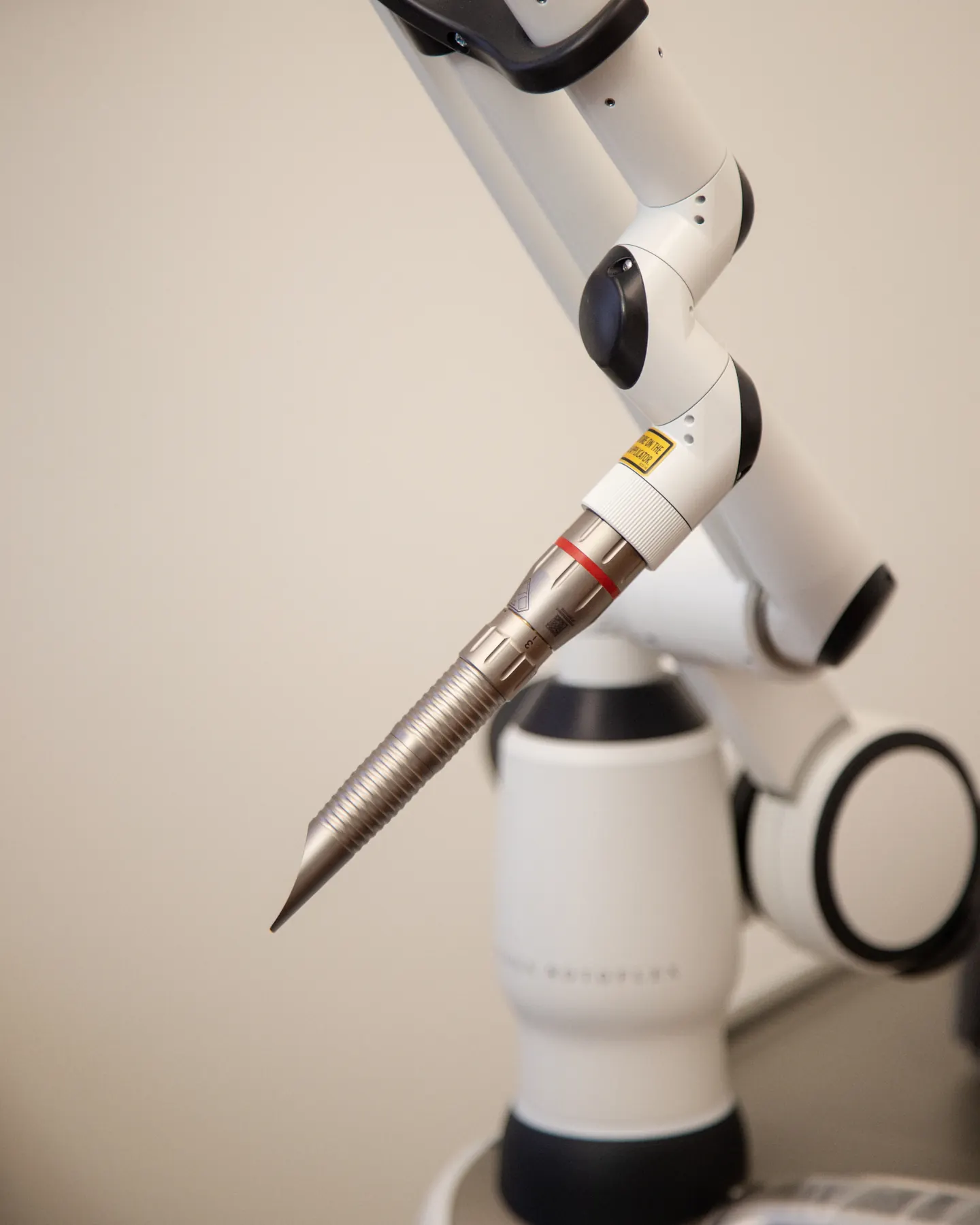
Skin rarely changes all at once. More often, Fotona 4D Laser Facial (TimeWalker) it is a gradual shift you notice in the mirror over a few seasons. Makeup settles differently around the mouth. The jawline looks a little softer in photos. Pores seem more obvious, and the surface texture that once looked even starts to catch the light in less flattering ways. Many people want improvement without committing to surgery, extended downtime, or an aggressive treatment that leaves them hiding at home for a week.
That is where the Fotona 4D Laser Facial (TimeWalker) has earned real interest. It sits in a useful middle ground. It is more substantial than a light spa facial, but far less disruptive than a surgical lift. In practice, it appeals to people who want skin to look tighter, smoother, and more refreshed, while keeping the process relatively manageable.
The treatment has a strong reputation because it does not rely on a single pass or one superficial trick. It uses several laser steps designed to address different layers of tissue, including areas inside the mouth and on the skin surface. That layered approach matters. Skin laxity, dullness, and texture changes usually do not come from one issue alone. Collagen loss, slower cell turnover, sun damage, and soft tissue descent all play a role. A treatment that approaches the problem from multiple angles often produces more convincing, balanced results.
What makes TimeWalker different from a standard laser facial
A conventional laser facial may focus mainly on resurfacing the outermost layer of skin. That can help with brightness and fine texture, but it may do less for early laxity or lower-face support. The Fotona 4D Laser Facial (TimeWalker) is known for combining several modes in a single session, each with a different target and purpose.
The “4D” concept refers to four treatment dimensions rather than one uniform pass. Depending on the provider’s protocol and the patient’s needs, these often include intraoral tightening, deeper heating to stimulate collagen, fractional resurfacing, and a lighter finishing pass to polish the skin’s appearance. The exact sequence may vary, but the philosophy stays the same: support the skin from the inside, improve tone at depth, and refine the surface so the face looks smoother rather than merely swollen or overtreated.
This distinction is important in real clinical settings. People do not usually come in asking for “laser energy.” They ask for a fresher look, less crepey texture, a softer nasolabial fold, or a more defined cheek and jawline. Multi-step laser protocols are often better at translating those concerns into visible change.
How the treatment works beneath the surface
Laser skin treatments can sound abstract until you break them down into what the skin actually does in response. Controlled heat is the central mechanism. When the right wavelength and settings are used, thermal energy reaches specific layers of tissue without indiscriminately damaging everything above them. That heat encourages collagen remodeling and can trigger the skin’s repair processes.
Collagen is often discussed casually, but clinically it matters because it contributes to firmness and structural support. As collagen quality declines with age and sun exposure, the skin becomes less resilient. It starts to drape rather than bounce back. Treatments like TimeWalker are designed to create enough stimulation to encourage new collagen formation over time. This is why results are usually progressive rather than immediate. Some people notice a short-term “tighter” look early on because of mild tissue contraction or post-treatment plumping, but the more meaningful changes tend to appear gradually over the following weeks and months.
The intraoral component is one reason the treatment stands out. By delivering energy from inside the mouth along the cheek and perioral tissues, providers can target areas that are difficult to address from the surface alone. Patients often find this surprising at first, but it is one of the features that makes the treatment more than a simple resurfacing session. In experienced hands, that internal support can complement what is being done externally and help produce a more coherent overall lift.
The external passes then address additional concerns. A deeper tightening pass can warm the dermis and subdermal structures. Fractional resurfacing can improve roughness, enlarged pores, and fine etched lines. A lighter finishing step may enhance brightness and smoothness so the skin not only feels firmer, but also reflects light more evenly.
Why smoother and firmer are linked, but not identical
Patients often use the words “smooth” and “firm” interchangeably, yet they describe different qualities. Smoothness is largely about surface texture. Fine lines, enlarged pores, acne scarring, and irregular pigment can all make skin look rough, even when the skin is not very loose. Firmness, by contrast, relates more to support and elasticity. It is the difference between skin that holds shape well and skin that appears slightly slack around the cheeks, jawline, or mouth.
The strongest non-surgical facial treatments recognize that these concerns overlap. A person with mild jowling often also has textural change. Someone focused on lip lines may also be developing reduced cheek support. If you only resurface, the skin may look brighter but still not feel tighter. If you only heat deeply and ignore the surface, the skin may feel denser yet still look dull or uneven. The Fotona 4D Laser Facial (TimeWalker) is appealing because it can address both categories in one protocol.
In practice, this matters most for people in the early to moderate stages of aging. They may not need surgery, but they are beyond the point where a gentle peel or hydrating facial will create meaningful structural improvement. That is where a layered laser approach often shines.
What concerns it tends to treat well
The best candidates are usually not looking for a dramatic transformation overnight. They want visible improvement that still looks like their own face. In that context, TimeWalker is commonly used for early laxity, crepey skin, mild to moderate fine lines, and textural dullness. It can also be useful around the mouth, where etched lines and soft tissue changes tend to age the face quickly.
In clinic conversations, several patterns come up again and again:
- cheeks that look slightly deflated or less lifted than they used to
- fine lines around the lips or lower face that make lipstick bleed
- skin texture that seems rougher, with more visible pores
- a jawline that has softened, but not enough to justify surgery
- overall facial skin that looks tired even when the person feels well-rested
That list describes a broad range of patients, from people in their thirties noticing early change to people later in life trying to maintain skin quality without escalating to more invasive procedures. The treatment can also be part of a maintenance plan for those who already invest in good skincare and occasional injectables, but want a collagen-focused option that treats the skin itself.
What a session usually feels like
One of the practical questions patients ask first is whether it hurts. The honest answer is that it is tolerable for most people, but not sensation-free. Different steps feel different. The intraoral portion can feel warm and unusual, especially the first time. Deeper tightening passes may produce bursts of heat. Fractional resurfacing tends to create more prickling or stinging than the smoother finishing passes.
Topical numbing is often used, though protocols differ by practice and by how intensive the session is planned to be. Treatment times also vary. Some appointments are under an hour, while others take longer if the protocol is more comprehensive or extends into the neck. The TimeWalker platform allows customization, which is a benefit, but it also means one person’s session may not be directly comparable to another’s.
Immediately afterward, skin often looks pink to red, and there may be mild swelling, a warm feeling, or a sandpapery texture for a few days if a resurfacing component was included. People are sometimes relieved by how social they remain after treatment, though that depends on settings and skin sensitivity. Someone receiving a lighter protocol before an event may recover quickly. Someone having a more aggressive resurfacing-focused session could need more visible downtime.
That variability is worth emphasizing because disappointment often comes from mismatched expectations, not poor treatment. If someone expects a no-downtime lunchtime polish and instead receives a stronger collagen-stimulating protocol, they may feel caught off guard by redness or texture. Good consultation solves much of that.
The timeline for results
This is not typically a one-day miracle. There may be an early glow, some perceived tautness, and improved surface smoothness in the short term, but collagen remodeling takes time. Most people see change build gradually over several weeks. Improvement may continue for a few months after a course of treatment, particularly in skin firmness and texture.
Providers often recommend a series rather than a single session, especially when the concerns involve both laxity and texture. The exact number depends on age, baseline skin quality, treatment intensity, and budget. A younger patient with early signs of change may be happy after one or two sessions spaced apart. A person with more pronounced laxity or etched texture often needs several treatments to get a result that feels worthwhile.
This is one of those areas where experience matters. A well-qualified provider should be able to explain what is likely to improve, what may only improve modestly, and what probably requires another modality altogether. For example, if substantial skin redundancy is the main issue, no non-surgical laser is going to replicate a surgical lift. But if the concern is mild lower-face softening with crepey skin and a tired surface, TimeWalker can be a very reasonable option.
How it compares with other common treatments
Patients weighing laser options are often also considering microneedling, radiofrequency devices, chemical peels, or traditional resurfacing lasers. Each has a place. Microneedling can improve texture and support collagen over time, often with lower upfront intensity. Radiofrequency treatments may focus more on deep heating and tightening, with less emphasis on visible resurfacing. Chemical peels can brighten and refine superficial irregularities, but they do not typically provide the same structural support. More aggressive ablative lasers can create stronger resurfacing, though with greater downtime and a different risk profile.
TimeWalker sits in an interesting category because it blends tightening and resurfacing in a way that can be tailored. It is not always the strongest option for one single issue, but it is often one of the more versatile options for the patient who has several moderate concerns at once. That versatility is part of its value.
It is also why patient selection matters. Someone primarily bothered by deeper acne scars may need a treatment plan centered more heavily on scar-specific resurfacing. Someone with strong muscle-related lines may need neuromodulators first or alongside laser work. Someone with volume loss may look better with a strategic filler or biostimulatory approach before chasing skin tightening alone. Skin treatments work best when they are part of a diagnosis, not a trend.
Who tends to be happiest with this treatment
The people happiest with the Fotona 4D Laser Facial (TimeWalker) are usually those who understand two things from the start. First, improvement is real but usually incremental. Second, better skin quality often looks more natural than abrupt change. The treatment tends to favor the patient who values refinement over reinvention.
This is often the right fit for professionals who want to look rested, not altered. It also suits patients who are consistent. The best long-term outcomes usually show up in people who combine in-office collagen stimulation with disciplined sun protection, appropriate topical skincare, and realistic maintenance.
There are, however, situations where I would be more cautious in recommending it. Active infection, impaired wound healing, certain medications, recent isotretinoin use depending on timing and provider comfort, or uncontrolled inflammatory skin conditions can complicate treatment. Skin tone also deserves careful attention. Laser settings must be selected thoughtfully, especially in darker skin types, to reduce the risk Fotona 4D Laser Facial (TimeWalker) of unwanted pigment change. The platform can often be adapted, but expertise is not optional here.
The role of aftercare in protecting results
Aftercare is not glamorous, but it affects both comfort and outcome. Skin that has been heated or resurfaced is temporarily more reactive. Neglecting that window is one of the easiest ways to sabotage a good treatment.
A sensible post-treatment routine usually includes:
- gentle cleansing without scrubs, acids, or retinoids until the skin has settled
- regular moisturizer to support barrier recovery and reduce tightness
- strict sun protection, ideally broad-spectrum SPF with active avoidance of direct sun
- avoidance of high-heat activities such as saunas or intense workouts for the period advised by the clinic
- patience with temporary dryness, roughness, or mild swelling rather than picking or over-treating the skin
Patients who do well after laser tend to keep things boring for a few days. They do not experiment with new actives, over-exfoliate, or stack other treatments too quickly. They protect the barrier, watch for anything unusual, and stay in contact with their provider if a reaction seems stronger than expected.
Where this treatment fits in a broader rejuvenation plan
One of the most useful ways to think about TimeWalker is not as a standalone miracle, but as one tool in a thoughtful facial rejuvenation strategy. Skin aging happens in layers. Pigment changes, vascular changes, collagen loss, facial volume shifts, and muscle movement all contribute to what we read as “older” skin. A laser can improve several of those elements, but not all of them equally.
For that reason, many of the strongest outcomes come from combination planning. A patient might use daily sunscreen and a retinoid at home, have periodic TimeWalker sessions for tightening and texture, and add neuromodulators for dynamic forehead or crow’s feet lines. Another person may combine laser sessions with conservative volume support in the cheeks or temples. The sequence matters. The proportions matter. Good aesthetic medicine is often less about the device itself and more about knowing where it belongs in the bigger picture.
A practical example helps. Consider a patient in her mid-forties with mild lower-face laxity, lip lines, and a rougher skin surface after years of sun exposure. If you treat only the lip lines, the lower face still looks heavy. If you place filler without improving texture, makeup still catches and the skin still looks tired. If you only do surface exfoliation, the jawline still lacks definition. A layered laser facial that supports tissue from within while refining the surface can move several of those issues in the right direction at once. It will not produce a surgical result, but it can make the face look noticeably fresher and better supported.
The importance of provider technique
Devices matter, but technique matters more. The same platform can produce very different outcomes depending on settings, patient selection, and the provider’s judgment. Energy-based treatments are not paint-by-numbers procedures. Too conservative, and the result may be underwhelming. Too aggressive, and downtime, irritation, or pigment issues become more likely.
This is especially true when blending treatment goals. A patient preparing for an event in ten days may need a lighter touch than someone willing to accept several days of social downtime for a stronger textural payoff. Someone with a history of post-inflammatory hyperpigmentation may need a more cautious resurfacing strategy. Someone with very thin, dry skin may tolerate settings differently than a patient with oilier, thicker skin.
A strong consultation should cover medical history, skin sensitivity, pigment risk, timing, goals, previous procedures, and maintenance expectations. It should also include a frank discussion of what the laser can and cannot do. That honesty is usually a sign you are in good hands.
What “natural-looking improvement” really means
Natural results are often harder to achieve than dramatic ones because they depend on restraint and balance. With TimeWalker, success often looks like skin that reflects light better, feels denser, and sits more smoothly over the lower face. Friends may say you look rested, or ask whether you changed your skincare. That is often the sweet spot.
The most satisfying laser outcomes are usually cumulative. They do not scream for attention after one appointment, but six months later the skin behaves differently. It creases less sharply. It rebounds better. It appears more polished without looking overdone. For many patients, especially those hesitant about surgery or injectables, that is exactly the point.
The Fotona 4D Laser Facial (TimeWalker) supports smoother, firmer skin by treating more than the skin’s surface. It works through controlled thermal stimulation, layered delivery, and collagen remodeling, often with a combination of internal and external treatment passes. For the right patient, with realistic expectations and skilled hands guiding the process, it can be a very smart option, one that improves not just how the skin looks in a bright mirror, but how confidently it wears over time.
OMNIA Wellness Center
Address: 16430 Ventura Blvd Ste 207, Encino, CA 91436
Phone: (818) 386-8511
FAQ About Fotona 4D Laser Facial (TimeWalker)
What are the benefits of Fotona laser treatment?
OMNIA offers this treatment for concerns such as uneven texture, dull tone, and fine lines. Results and the number of sessions vary, so discuss your goals with a provider.
Is Fotona laser safe?
A qualified provider should review your skin, medical history, medications, and recent sun exposure to determine whether the treatment is appropriate. Ask about possible irritation, pigment changes, and aftercare before booking.
How much does a Fotona 4D facelift cost?
Price depends on the treatment plan and number of visits. Ask OMNIA for an itemized estimate during your consultation.